
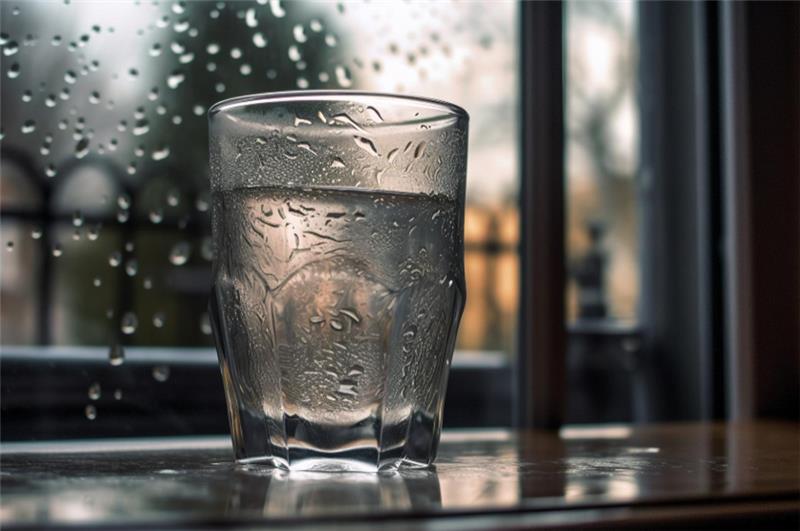
The monsoon season brings a refreshing change from the scorching summer heat. With cloudy skies, cool winds, and the rhythmic sound of rain, it’s a time that many people look forward to. But while monsoon bring relief, they also bring with them increased health risks — especially those related to water. Drinking clean, safe, and hygienic water is even more crucial during this season due to the risk of contamination and waterborne disease.
In this blog, let’s explore why staying properly hydrated with safe drinking water is essential during the monsoon and how you can protect your health with a few simple habits.
Why does monsoon increase the risk of water pollution?
Monsoon rains frequently drain, stagnant water, and seepage into underground water sources. These circumstances make it possible for bacteria, viruses, and parasites to flourish and contaminate the water we drink.
Here’s how rainwater can compromise water quality:
Sewage Overflow: Heavy rains can cause sewage to mix with drinking water pipelines.
Flooding: Leads to contamination of wells, borewells, and open water tanks.
Stagnant Water: Encourages the breeding of mosquitoes and bacteria.
Rusting Pipes & Leakage: Old pipelines may allow rainwater or contaminants to mix into the supply.
Common Waterborne Diseases During Monsoon
Contaminated water can lead to serious illnesses, especially in children, elders, and those with weak immunity. Some common waterborne diseases that spike during the rainy days include:
Cholera: Caused by infected water leading to severe diarrhoea and dehydration.
Typhoid: Spread through contaminated food and water. Symptoms include fever, weakness, and abdominal pain.
Hepatitis A & E: Viral liver infections transmitted through dirty water.
Diarrhoea & Gastroenteritis: Resulting from bacteria or parasites in unsafe water.
Leptospirosis: Spread through floodwater containing animal urine.
What happens if you drink Contaminated water?
Drinking water that is not clean can make you very sick. You might experience:
Stomach problem: Diarrhoea, vomiting, and stomach aches are common symptoms.
Fever: Your body may develop a fever as it tries to fight off the infection.
Dehydration: Losing fluids from vomiting and diarrhoea can lead to dehydration, which can be dangerous if not treated quickly.
Why it is so important to Drink Clean Water During Monsoon
Safe drinking water is important for infection prevention and health maintenance, not just for slake thirst. Clean water is particularly crucial during the monsoon season for the following reasons:
1. Flush Out Toxins
Our body constantly needs to eliminate toxins. During the monsoon, we are more exposed to environmental germs. Drinking clean water helps flush these toxins out and supports the immune system.
2. Supports Digestion
Humidity and moisture during the rains can affect digestion. Drinking pure, room temperature water keeps your gut calm and helps avoid stomach infections.
3. Boosts Immunity
Hydration improves nutrient absorption and helps the body fight off infections – which is critical when disease risk is higher during the monsoon.
4. Prevents Fatigue
Because we don’t feel as thirsty on rainy days, mild dehydration is common. Energy levels are maintained, and sluggishness is avoided with clean water.
Safe Drinking Practices to Follow During Monsoon
To stay healthy during the rainy season, it’s not just about drinking water — but drinking safe water the right way. Here are key tips:
1. Drink Only Filtered or Bottled Water
Avoid tap water. Always drink water that has been boiled, filtered, or purified. When outside, choose sealed bottled water from trusted brands like Bestone Drinking Water.
2. Boil Water at Home
Boiling water for 5-10 minutes is an effective way to kill germs. Let it cool and store in a clean, covered container.
3. Use Water Purifiers
Install a certified water purifier with UV, RO, UF technology to ensure 99% removal of harmful pathogens.
4. Avoid Ice from Outside
Ice cubes in restaurants or roadside stalls may be made from contaminated water. Avoid them during the monsoon.
5. Stay Hydrated Even When Not Thirsty
Due to cooler weather, people often drink less water. Make a habit of sipping water throughout the day to maintain hydration.
6. Clean Water Storage Containers
Wash water bottles, jugs, and filters regularly to prevent bacterial buildup.
Drinking Water at Home vs. Outside During Monsoon
| Factor | At Home | Outside/Home Delivery |
| Source Control | You can purify & monitor it | Often uncertain — choose trusted brands |
| Storage Safety | Under your control | May vary — ensure sealed packaging |
| Contamination Risk | Lower if managed well | Higher if not bottled hygienically |
| Solution | Use purifier + boil | Go for Bestone Packaged Drinking Water |
Best Water Temperature to Drink During Monsoon
Through we all love a cold glass of water, during the monsoon season, it’s best to go for room temperature or warm water. Here’s why:
Helps Digestion: Warm water is gentle on the stomach.
Reduces Cold/Flu Risk: Cold water may trigger sore throat or increase mucus production.
Improves Immunity: Ayurvedic practices recommend lukewarm water for internal cleansing.
Who Needs Extra Care in Monsoon Hydration?
Certain groups need more attention when it comes to water safety during the monsoon:
Children: Sensitive digestive systems make them prone to stomach infections.
Elderly: Weaker immunity and hydration levels can fluctuate quickly.
Pregnant Women: Clean water is crucial for both mother and baby’s health.
Travelers: Should always carry bottled water or purification tablets.
Bestone Drinking Water: Your Trusted Monsoon Partner
When the rains pour and risks rise, choose a name you can trust — Bestone Drinking Water.
BIS-certified Triple-filtered & UV-purified Sealed, leak-proof bottles Trusted across households, offices, and events
Whether at home, office, or on the move — Bestone ensures purity in every drop
Natural Tips to Boost Water Safety This Monsoon
In addition to using safe water, here are a few natural and home tips to keep your hydration safe:
- Add a drop of lemon or Tulsi (holy basil) to warm water for antibacterial benefits.
- Copper vessels are known to purify water naturally — store drinking water in a copper jug overnight.
- Avoid sugary and aerated drinks as they may dehydrate or affect digestion.
Frequently Asked Questions (FAQs)
1. Is tap water safe to drink during the monsoon?
No, tap water is generally not safe to drink directly during the monsoon. Heavy rains can cause sewage overflow, flooding, and pipe leakages, which can contaminate the water supply with bacteria, viruses, and parasites. It’s always best to drink boiled, filtered, or sealed bottled water.
2. Why does the risk of water pollution increase during the rainy season?
Monsoon rains can lead to stagnant water, flooding, and seepage into underground sources. This allows harmful pathogens to flourish and contaminate our drinking water. Sewage can also overflow and mix with drinking water pipelines during heavy rains.
3. What are the most common waterborne diseases during the monsoon?
Common waterborne diseases that spike during the monsoon include Cholera, Typhoid, Hepatitis A & E, Diarrhoea & Gastroenteritis, and Leptospirosis.
4. What are the symptoms of drinking contaminated water?
Drinking unsafe water can lead to stomach problems like diarrhoea, vomiting, and stomach aches. You may also develop a fever as your body fights the infection, and severe fluid loss from diarrhoea and vomiting can lead to dangerous dehydration.
5. Is it safe to drink rainwater during the monsoon?
No, rainwater is not safe for drinking without proper treatment. It can pick up pollutants, bacteria, viruses, and chemicals from the atmosphere.
6. Do I really need to drink as much water during the monsoon when it’s not hot?
Yes, staying hydrated is just as important during the monsoon. Because we don’t feel as thirsty on cooler, rainy days, mild dehydration is common. Drinking clean water helps flush out toxins, supports digestion, boosts immunity, and prevents fatigue.
7. What is the best way to ensure my drinking water is safe during the rainy season?
The safest practices are to boil water for at least 10 minutes, use a reliable water purifier (like RO or UV), or drink sealed bottled water from a trusted brand.
8. Can I drink water that looks clean and clear?
No. A common misconception is that clean-looking water is safe to drink. Harmful pathogens and dissolved contaminants are often invisible to the naked eye
Conclusion
The monsoon season brings joy, freshness, and relief—but also increases the chances of water contamination and related health risks. Staying properly hydrated is not just about drinking enough water but drinking safe and clean water. From preventing stomach infections to boosting immunity and digestion, clean water plays a vital role in maintaining overall health during the rainy season. Simple practices like boiling water, using a purifier, or choosing trusted bottled water like Bestone Drinking Water can protect you and your family from common monsoon diseases. Be especially cautious with children, the elderly, and pregnant women, as they are more vulnerable to waterborne illnesses. By following safe drinking habits and making smart choices, you can enjoy the rains without worrying about your health. This monsoon doesn’t just enjoy the weather—stay safe, stay hydrated, and stay healthy with Bestone.