
What Is a River Mouth — And Is It Safe to Drink From?
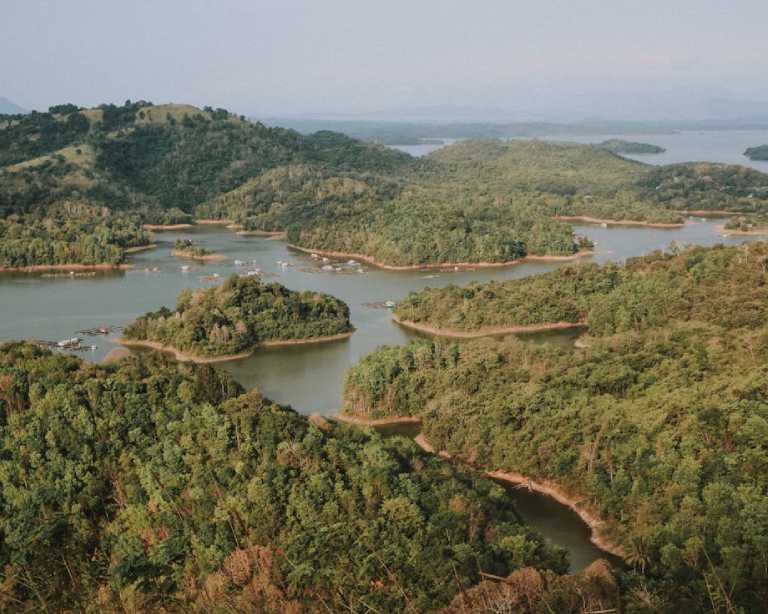
Stand at the edge where a river finally gives itself up to the sea, and you’re looking at one of the most dynamic places on the planet: the river mouth. It’s the point where flowing freshwater collides with a much larger body of water — an ocean, sea, or lake — and where two very different worlds mix, churn, and reshape each other every single day.
How a River Mouth Comes to Be
A river mouth isn’t a fixed, static feature — it’s the product of constant geological and hydrological give-and-take:
- Carving the path: Long before it reaches the coast, a river spends its life cutting through hills, valleys, and plains, gathering water and loose sediment along the way.
- Dropping its load: As the river nears open water, its current slows down. That loss of energy means it can no longer carry all the silt, sand, and clay it picked up upstream, so the material drops out and builds up — sometimes into sprawling deltas, sometimes into smaller sediment fans.
- A chemical handshake: Where fresh and salt water meet, salinity, temperature, and nutrient levels all shift in gradients rather than sharp lines, and that gradient is exactly what makes river mouths such rich, unusual habitats.
Underneath all of this, a few physical processes are constantly at work: whether the lighter river water rides over the denser seawater (or slips beneath it), how sediment gets ferried and dropped near the coast, and how the resulting nutrient-rich, sheltered zone becomes a magnet for marine life. Because of that mix of shelter and nutrients, river mouths are often nursery grounds for fish and a foundation for coastal food chains.
People and River Mouths
Humans have built entire economies around these places. Fishing communities, farmers who benefit from nutrient-rich soil nearby, and tourism industries all lean on healthy river mouth ecosystems. But that reliance cuts both ways — pollution flowing down from upstream farms, factories, and cities collects right at the mouth, and rising sea levels tied to climate change are steadily reshaping these zones, often faster than the ecosystems (or the people depending on them) can adjust.
The Four Main Types of River Mouths
Not every river meets the sea in the same way. Geography, tides, and slope all shape the outcome:
1. Deltaic mouths — Found along coasts with gentle slopes and light tidal action, these are where sediment really piles up. Heavier particles settle close to shore while finer silt drifts further out, and over time the built-up land splits into a maze of channels and islands.
2. Simple mouths — Typically the outlet of a shorter river, these don’t build up much sediment or split into multiple channels. The structure stays straightforward, without the sprawling landforms seen at deltas.
3. Estuarine mouths — Here, tidal force outmuscles the river’s own current, so the channel widens and deepens as it nears the coast. Salinity swings constantly depending on the tug-of-war between tide and river flow, making estuaries some of the most changeable environments in nature.
4. Lagoon-like mouths — Along shallow, low-lying coasts, the sea can effectively block the river’s progress, and sediment builds up into sandbars or shoals that wall off a lagoon from the open water. Depending on how connected that lagoon stays to the sea, tides may still shape its ecosystem.
Each type supports its own community of life — mangroves thriving in deltas, salt-tolerant marsh plants in estuaries — and each faces its own blend of threats from pollution, sediment buildup, and a changing climate.
Some of the World’s Best-Known River Mouths
- The Mississippi Delta (USA) — One of the largest deltas on Earth, and a major economic and ecological anchor for the Gulf of Mexico.
- The Amazon River Mouth (Brazil) — Fed by the highest-discharge river in the world, pouring immense volumes of freshwater and nutrients into the Atlantic.
- The Nile Delta (Egypt) — A site of deep historical and cultural weight, and still central to the region’s agriculture and cities today.
Around the globe, managing these zones means fighting erosion with coastal engineering, cutting back nutrient runoff and industrial waste, and building resilience against the climate shifts already underway.
So — Can You Actually Drink Water From a River Mouth?
In short: no, not without treating it first.
River mouths sit at the end of a long collection route. Everything dumped into a river upstream — urban runoff, industrial waste, agricultural chemicals — tends to concentrate near the point where it finally empties into the sea. That means the water at a river mouth can carry:
- Pathogens and waterborne disease. Bacteria, viruses, and parasites picked up along the river’s path can trigger illnesses like cholera, typhoid, or general gastrointestinal infections.
- Chemical contamination. Pesticides, industrial byproducts, and heavy metals don’t just pass through the body — some accumulate and are linked to long-term health problems, including neurological issues and cancer risk.
- Physical debris. Suspended sediment and larger debris can also pose a direct hazard if swallowed.
On top of the contamination risk, the salinity itself is a problem. Where fresh and saltwater blend, the water’s mineral balance shifts in ways the human body isn’t built to handle in large amounts — drinking water that’s too saline can do more harm than good, regardless of how clean it otherwise looks.
Reducing the Risk
None of this means river mouths are without value — quite the opposite. It just means any water sourced from one needs real treatment before it’s safe to consume:
- Proper treatment. Filtration, disinfection, and desalination processes can strip out contaminants and correct salinity, turning risky water into something drinkable.
- Ongoing monitoring. Regular water-quality testing and enforcement of environmental standards help keep pollution levels in check before they become a public-health issue.
- Public awareness. The more people understand the risks of untreated water, the fewer end up unknowingly exposed to it.
The Bigger Picture
River mouths are where two ecosystems constantly negotiate with each other — freshwater and salt, sediment and current, human need and natural fragility. They’re vital nurseries for marine life, engines for coastal economies, and, at the same time, some of the most polluted stretches of water on the planet simply because everything upstream eventually passes through them. Protecting them means treating pollution at its source, monitoring water quality consistently, and never assuming that water looks safe just because it looks clear.